
How to Build a Piano Practice Routine That Actually Works
Simple strategies to help you practise more consistently and make real progress.

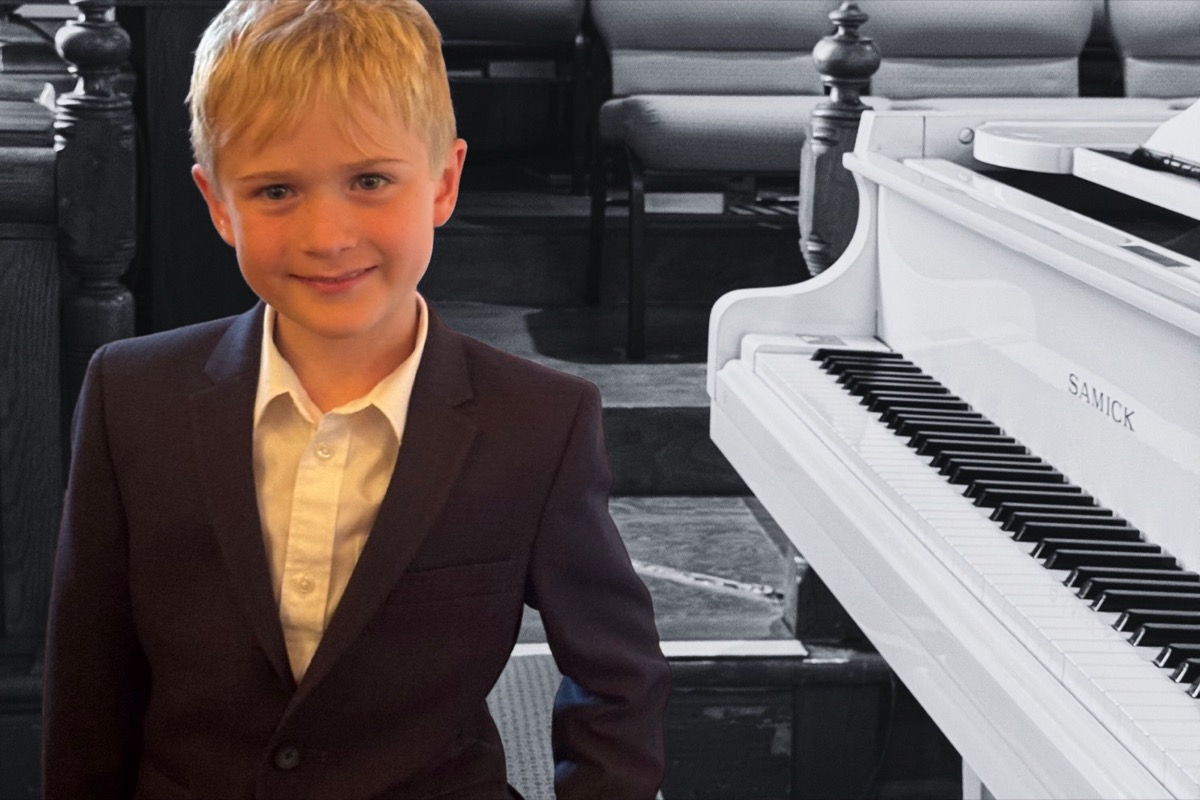
Young student engaged in mindful piano practice at a grand piano
The biggest hurdle most piano students face isn't a lack of talent, musicality, or passion — it is consistency.
When sitting down at the keyboard feels like an overwhelming assignment, it becomes all too easy to postpone practice, feel guilty, and eventually lose momentum. We tell ourselves we need a full hour of uninterrupted quiet, so when life gets busy, we skip practice entirely.
Yet in years of teaching children, teens, and adult learners, one pattern remains true:
"Fifteen to twenty minutes of focused, joyful, intentional practice will almost always outperform an hour of unfocused playthroughs."
A sustainable piano routine isn't about endurance. It is about creating a space in your day where you feel calm, present, and clear about your next step.
1. Define Your Focus Before You Sit Down
The most common trap in piano practice is playing through a song from the very beginning to the end, stumbling over the same measure, and simply repeating the piece again.
When you sit down without a specific intention, your hands wander and your brain disengages. Instead, ask yourself one simple question before touching the keys:
"What is the single phrase or transition I am solving today?"
- Is it smoothing out a left-hand chord transition in measure 12?
- Is it feeling the rhythmic pulse of the syncopated bridge?
- Is it playing four bars slowly with relaxed wrists and clean articulation?
When you zoom in on a microscopic challenge, you eliminate the mental friction of practicing. Progress becomes immediate and palpable.
2. Practise Slowly Enough to Hear Every Nuance
Speed is never the goal of early practice — ease and clarity are.
When we rush to play at tempo too early, we inadvertently practise tension and mistakes into our muscle memory. When you slow down by 30% or even 50%:
- Your nervous system has time to anticipate finger placement.
- Your shoulders and wrists stay supple and relaxed.
- You can genuinely listen to the tone, balance, and decay of every note.
If you can play a measure with total ease, beautiful tone, and steady pulse at half speed, playing it quickly becomes an organic byproduct.
3. Create a Frictionless Environment
Where your piano lives matters just as much as what you play. If your keyboard is tucked away under a heavy cover with sheet music scattered across the room, the barrier to beginning is high.
Make sitting down effortless:
- Keep your instrument open and inviting.
- Leave your current music open on the stand with a pencil nearby.
- Set a predictable rhythm — right after morning coffee, or right before dinner.
When sitting down feels natural and inviting, you won't need immense willpower to practice. The piano simply becomes a restful pause in your daily routine.
4. Celebrate Incremental Victories
Music is a lifelong relationship, not a race to the finish line. Every tricky transition smoothed out, every delicate dynamic shaped with care, and every five minutes spent at the keys is a quiet victory worth acknowledging.
When you treat practice not as a test of perfection, but as a sanctuary for personal growth and expression, piano fits naturally into real life.
Explore the Piano Circle.
A gentle, guided community and learning structure designed to help you practice with confidence, receive regular feedback, and enjoy real musical progress.
You may also enjoy

Why It's Never Too Late to Start Piano
It's never too late to learn. Discover how adults and returning learners can approach piano with confidence and build meaningful progress.

How Music Can Support Confidence and Well-being
Exploring the many ways music can help support confidence, focus, creativity, and a more meaningful relationship with learning.