
How Music Can Support Confidence and Well-being
Exploring the many ways music can help support confidence, focus, creativity, and a more meaningful relationship with learning.


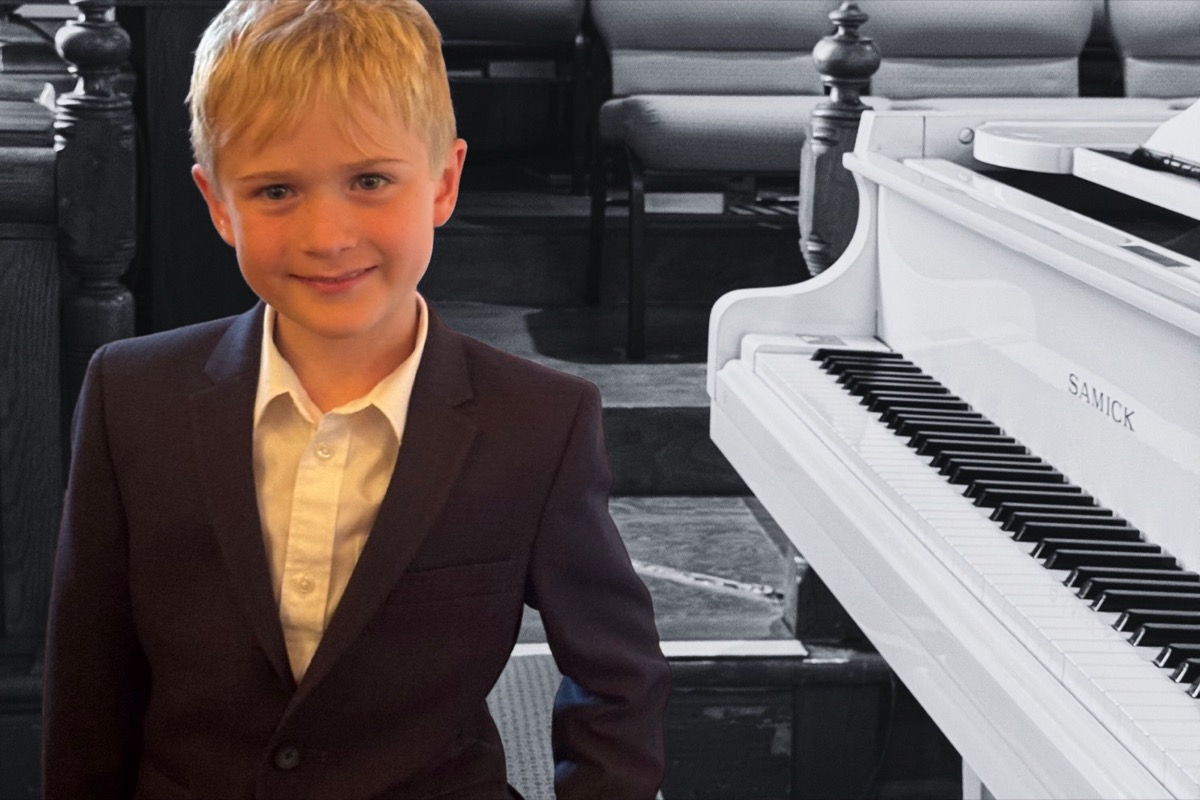
Proud smiling music student in formal recital attire celebrating their performance
When people imagine piano lessons, they frequently envision sheet music, technical scales, and recitals. Yet anyone who has spent time immersed in musical practice knows that something far deeper is taking place beneath the surface.
Music is not merely finger gymnastics across eighty-eight ivory and ebony keys. It is a profound, time-tested vehicle for emotional resilience, focused presence, and personal well-being.
When taught in an environment that prioritizes curiosity over criticism, music develops qualities that ripple outward into every corner of life.
1. Building Authentic Self-Trust
In a world filled with instant gratification and rapid digital dopamine, learning an instrument is refreshingly tactile, real, and deliberate.
A piano piece cannot be downloaded or faked in thirty seconds. It requires sitting down, confronting something that feels unfamiliar and difficult, breaking it down into smaller phrases, and gradually coaxing ease out of awkwardness.
When a student — whether a shy seven-year-old or an executive learning after hours — experiences that moment where a passage that once felt impossible suddenly flows naturally under their fingers, an internal transformation occurs:
"They learn firsthand: 'I am someone who can be confused, stay patient, work through difficulty, and master something beautiful.'"
That quiet sense of self-efficacy cannot be manufactured with empty praise. It is earned through authentic creative effort, and it builds unwavering confidence that stays with a person for life.
2. A Sanctuary of Mental Presence and Flow
Our modern days are saturated with fragmented attention, multi-tasking, notifications, and cognitive overload.
The piano offers a rare and powerful antidote. When you sit at the keyboard:
- Your eyes are reading two clefs of notation simultaneously.
- Your ears are actively auditing tone, timing, and dynamic balance.
- Your hands are executing independent fine-motor movements.
- Your feet are subtly controlling the damper pedal.
Because the instrument engages so many sensory and cognitive faculties at once, there is simply no room left in your mind for anxious rumination or outside stress.
Psychologists call this state flow — a state of complete, energized absorption in an activity. Stepping away from a twenty-minute practice session leaves learners feeling clear-headed, grounded, and emotionally refreshed.
3. Creative Voice and Non-Verbal Expression
Not every human emotion can be neatly summarized into words. Frequently, our deepest experiences — joy, grief, nostalgic yearning, or exhilaration — exist beyond verbal language.
Music provides an expressive valve. Playing a resonant chord progression or shaping a lyrical melody gives students a safe, constructive outlet to communicate and process feeling.
For young children, it teaches that emotions can be channeled into beauty. For adults, it provides a restorative sanctuary away from the verbal demands of work and family life.
A Lifelong Source of Well-being
At Musically in Love, we believe piano lessons are never just about producing flawless recitals. They are about nurturing thoughtful, curious, and expressive human beings.
When we approach the piano with warmth, patience, and clear guidance, music ceases to be an academic chore — it becomes a lifelong companion that enriches our everyday well-being.
Explore the Piano Circle.
A gentle, guided community and learning structure designed to help you practice with confidence, receive regular feedback, and enjoy real musical progress.
You may also enjoy
How to Build a Piano Practice Routine That Actually Works
Simple strategies to help you practise more consistently and make real progress.

Why It's Never Too Late to Start Piano
It's never too late to learn. Discover how adults and returning learners can approach piano with confidence and build meaningful progress.